Skip to content
  • Services
    • Speech & Feeding and Lactation Services
    • Insurance vs Self-Pay FAQs
    • Does My Plan Cover Speech Therapy?
  • About Us
  • Testimonials
  • SITC BLOG
    • SPEECH
    • FEEDING
    • AAC
    • Orofacial Myology
    • ASSISTIVE TECHNOLOGY
    • LANGUAGE
    • Practice News
    • ESPAÑOL
  • Resources
    • Client Login
    • ADVOCACY
    • Boom Store
    • TPT Store
    • Podcasts & Interviews
    • Therapy Resources
    • Employment
  • Contact
  • Services
    • Speech & Feeding and Lactation Services
    • Insurance vs Self-Pay FAQs
    • Does My Plan Cover Speech Therapy?
  • About Us
  • Testimonials
  • custom-logo
  • SITC BLOG
    • SPEECH
    • FEEDING
    • AAC
    • Orofacial Myology
    • ASSISTIVE TECHNOLOGY
    • LANGUAGE
    • Practice News
    • ESPAÑOL
  • Resources
    • Client Login
    • ADVOCACY
    • Boom Store
    • TPT Store
    • Podcasts & Interviews
    • Therapy Resources
    • Employment
  • Contact
Attributing Meaning to Speech Sounds | Language Development
SPEECH

Attributing Meaning to Speech Sounds | Language Development

February 27, 2019May 26, 2020 Leave a comment
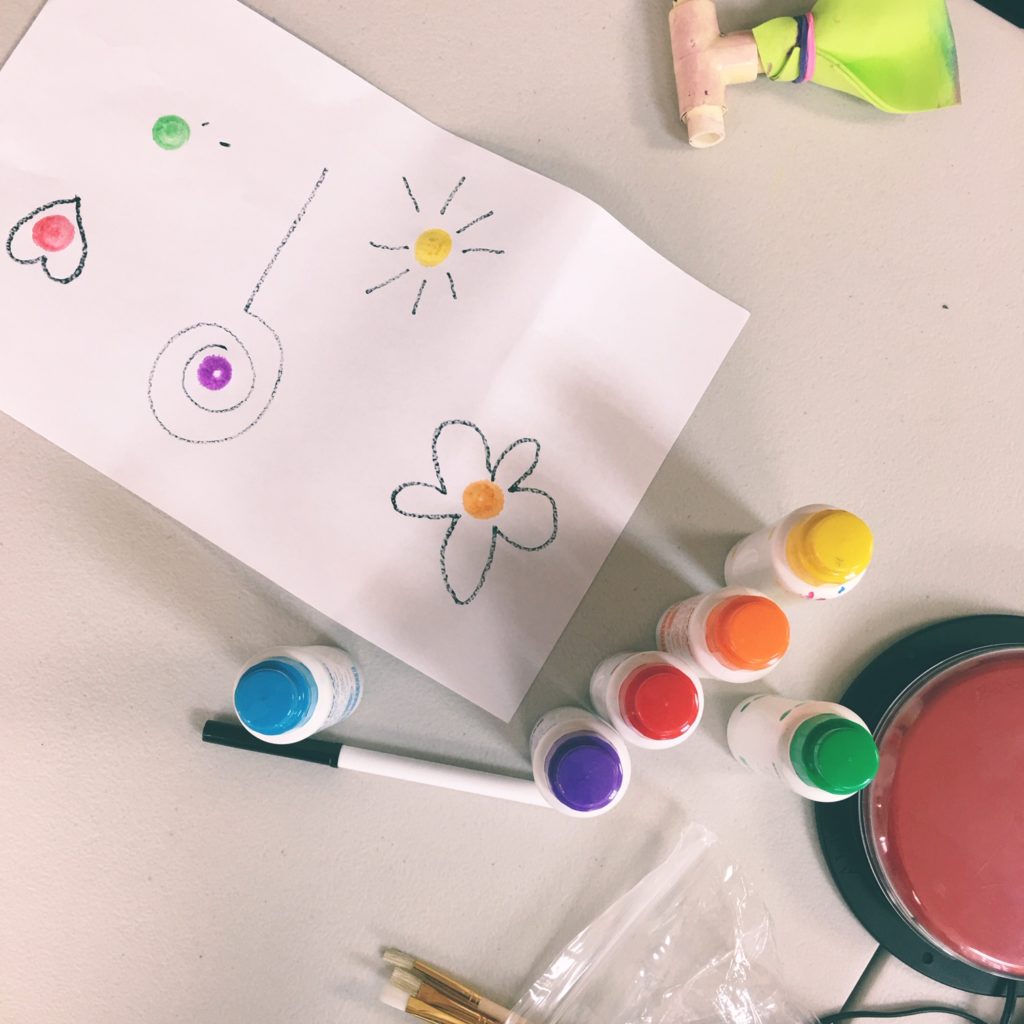
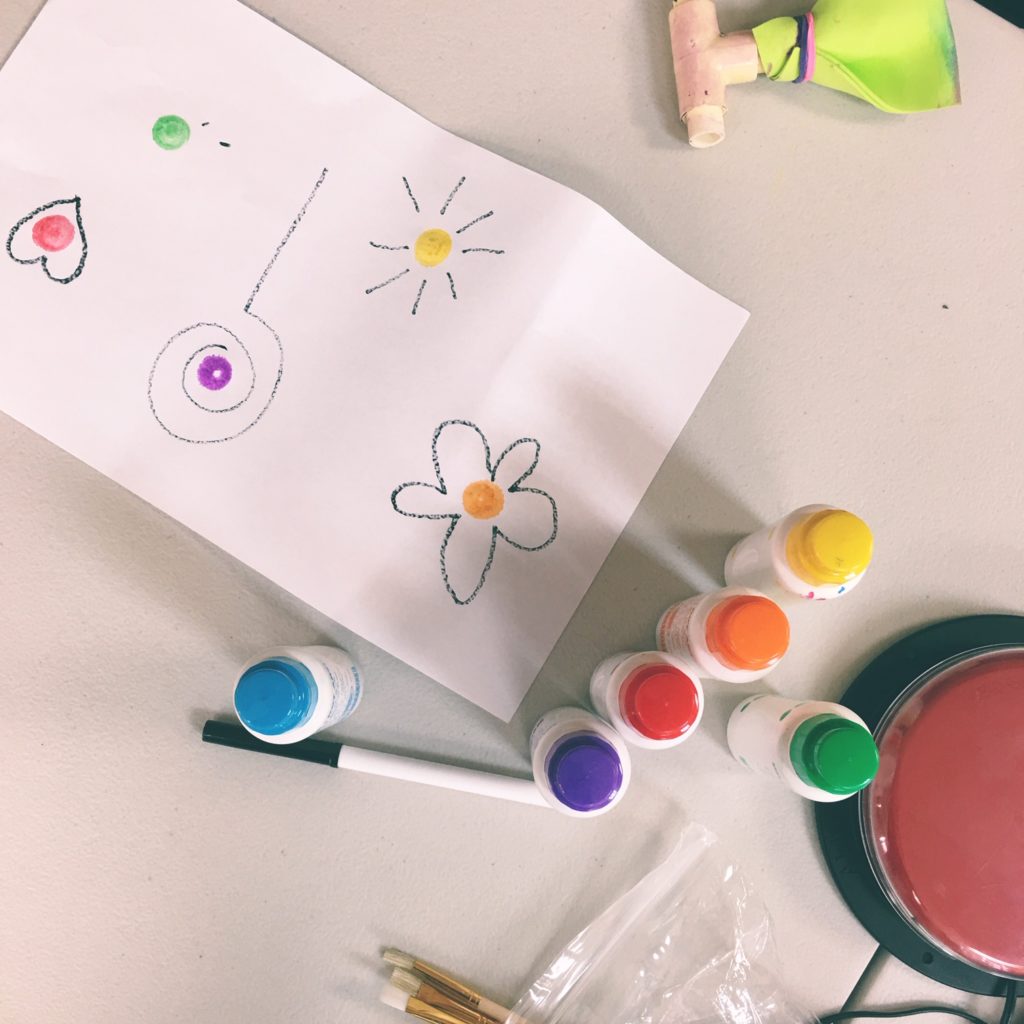
Attribute meaning to a dot to expand ideas

In a situation where a baby vocalizes “baba”, the communication partner, knows what the baby wants even though the infant did not say the word completely. The baby can’t put all the sounds (phonemes) together yet to say the complete word, “bottle”, but the communication partner attributes meaning to the vocalization and hands the baby a bottle, knowing that “baba” means give me the bottle please! This is a naturally occurring communication technique we (with a language system already in place) use to help those who do not have a language system (or a disordered communication system post stroke or other brain injury) in place yet to develop their communication intent.

In the situation with the “baba”, the communication partner would probably say to the baby, something like, “Oh, you want your bottle?” Emphasizing in that the target word the baby wants their “bottle”. This reciprocal conversation will extend into later stages of language like when a toddler strings two words together like “juice again.” The communication partner knows, what the child is trying to convey, but again, the child just doesn’t have the language system and rules in place yet to say “more juice please.”

Language develops over time and it is our job as communication partners to help young children develop their language by modeling correct language and attributing meaning to their language. Speech pathologists screen children to make sure that a child’s language follows developmental norms. There are special standardized tests which speech pathologists use to assess language in children as young as infant babbling starts all the way to adulthood. These language tests give the speech therapist an inside view on processes that may be delayed or disordered. If you think your child is not meeting typical developmental norms, you should take them to get screened as soon as possible.

babyearly learning

Related Posts

<em>Speech Therapy Activities Parents Can Do at Home in 10 Minutes a Day</em>
Speech Therapy Activities Parents Can Do at Home in 10 Minutes a Day
Articulation vs. Language Delay: How to Tell the Difference
Why Is My Toddler Refusing Solid Foods? Signs It’s More Than Picky Eating
Spring has Sprung
Spring has Sprung

Post navigation

The Pesky “R” | Speech Therapy
The Best Practice For Teaching Vocabulary
Hey, There!

Hey, There!

Welcome from Rebecca
Welcome to Speech in The City's blog. Here you'll find out lots of resources to help you or your child in speech and/or feeding therapy. We are always looking for new families to meet and professionals to learn from -Rebecca

CATEGORIES

  • AAC
  • ADVOCACY
  • ASSISTIVE TECHNOLOGY
  • ESPAÑOL
  • FEEDING
  • LANGUAGE
  • ORAL MOTOR
  • Orofacial Myology
  • Podcasts and Interviews
  • Practice News
  • SPEECH
  • Testimonials
  • Therapy Resources

Join Us

Get the latest speech news, home therapy ideas and practice updates.

More Posts

Dental Development and Facial Growth
ORAL MOTOR ➤ May 18, 2026

Dental Development and Facial Growth

Dental development plays an important role in a child’s speech, feeding, breathing, and overall oral facial growth. During childhood, clinicians may observe various dental patterns such as open bites, overbites, underbites, crossbites, crowded teeth, spacing...

Read More
Screening for Tonsillitis in Speech Therapy
Orofacial Myology ➤ May 4, 2026

Screening for Tonsillitis in Speech Therapy

When working with children in speech and feeding therapy, it is important to recognize when something medical may be impacting progress. Tonsillitis is one of those conditions. While speech language pathologists do not diagnose tonsillitis,...

Read More
Feeding Cues
FEEDING ➤ October 20, 2025

Feeding Cues

It seems like one of the most common questions I hear from families—no matter where they are in their child’s eating journey—is some version of:“Why won’t my child eat?” “Why won’t they eat more?” or...

Read More

Instagram

  • Contact
  • Client Login
  • Employment
  • Newsletter
  • Accessibility
© 2026 | Made in New York City