Skip to content
  • Services
    • Speech & Feeding and Lactation Services
    • Insurance vs Self-Pay FAQs
    • Does My Plan Cover Speech Therapy?
  • About Us
  • Testimonials
  • SITC BLOG
    • SPEECH
    • FEEDING
    • AAC
    • Orofacial Myology
    • ASSISTIVE TECHNOLOGY
    • LANGUAGE
    • Practice News
    • ESPAÑOL
  • Resources
    • Client Login
    • ADVOCACY
    • Boom Store
    • TPT Store
    • Podcasts & Interviews
    • Therapy Resources
    • Employment
  • Contact
  • Services
    • Speech & Feeding and Lactation Services
    • Insurance vs Self-Pay FAQs
    • Does My Plan Cover Speech Therapy?
  • About Us
  • Testimonials
  • custom-logo
  • SITC BLOG
    • SPEECH
    • FEEDING
    • AAC
    • Orofacial Myology
    • ASSISTIVE TECHNOLOGY
    • LANGUAGE
    • Practice News
    • ESPAÑOL
  • Resources
    • Client Login
    • ADVOCACY
    • Boom Store
    • TPT Store
    • Podcasts & Interviews
    • Therapy Resources
    • Employment
  • Contact
Screening for Tonsillitis in Speech Therapy
Orofacial Myology

Screening for Tonsillitis in Speech Therapy

May 4, 2026May 4, 2026 Comments Off on Screening for Tonsillitis in Speech Therapy
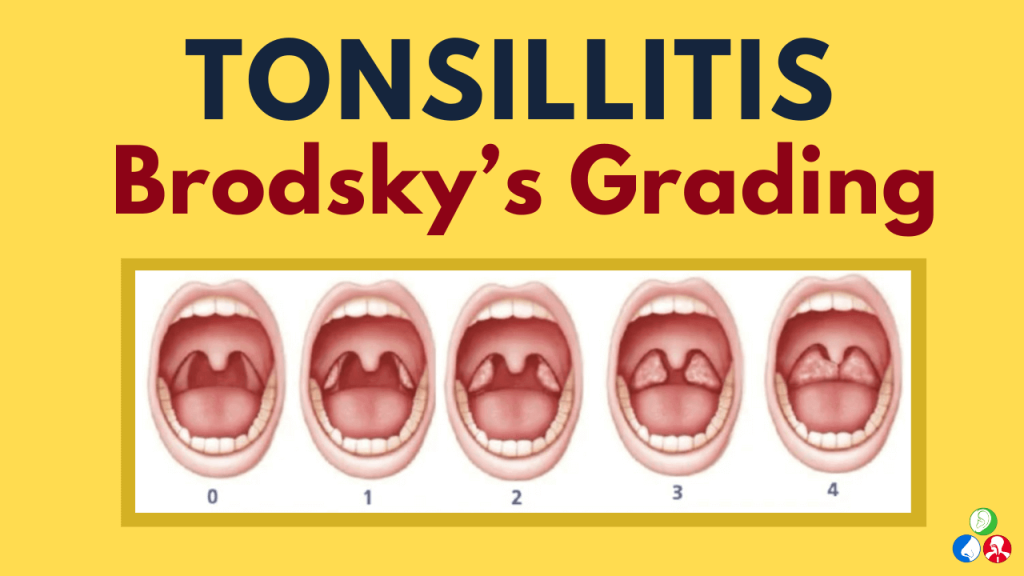
Image taken from ENT Resident: https://www.theentresident.com/ent-notes-lectures/brodsky-grading-tonsils

When working with children in speech and feeding therapy, it is important to recognize when something medical may be impacting progress. Tonsillitis is one of those conditions. While speech language pathologists do not diagnose tonsillitis, we are often the first to notice red flags during sessions. Parents may report symptoms like sore throat, fever, pain with swallowing, food refusal, drooling, bad breath, or changes in voice quality such as a muffled or hot potato voice. Clinically, you might observe enlarged or reddened tonsils, white patches, swollen glands, or a child who appears fatigued and avoids swallowing. These symptoms can significantly affect feeding and communication, leading to reduced oral intake, texture aversion, gagging, mouth breathing, hyponasal speech, and even decreased attention due to poor sleep.

Tonsil size is commonly described using a scale from 0 to 4, which helps give context to what you are seeing. Grade 0 means the tonsils have been removed. Grade 1 tonsils sit within the tonsillar pillars and are often barely visible. Grade 2 tonsils extend just outside the pillars and are still considered within normal limits. Grade 3 tonsils are enlarged and take up more space in the throat, often approaching the midline and potentially impacting airflow or swallowing. Grade 4 tonsils are significantly enlarged and may touch at the midline, sometimes referred to as kissing tonsils, and are much more likely to interfere with breathing, sleep, voice quality, and feeding.

Because these symptoms can interfere with both feeding and speech outcomes, timely referral is key. If a child presents with difficulty breathing, excessive drooling, inability to swallow, high fever, dehydration, or significant asymmetry in tonsil size, immediate medical evaluation is warranted. Even in less urgent cases, recurring throat infections or chronic snoring and mouth breathing should prompt a referral to a pediatrician or ENT. As speech language pathologists, our role is to support the child holistically by recognizing when progress is being impacted by underlying medical factors and ensuring families are guided toward appropriate care so therapy can be as effective as possible.ropriate care so therapy can be as effective as possible.

Warmly,
The Speech in the City Team

cranial oral facial myology

Related Posts

Dental Development and Facial Growth
When Should My Child Stop Thumb Sucking?
Is non-orthodontic intervention with prolonged thumb sucking possible?
Pediatric Sleep Disordered Breathing and Speech Sound Errors

Post navigation

When Should My Child Stop Thumb Sucking?
Dental Development and Facial Growth
Hey, There!

Hey, There!

Welcome from Rebecca
Welcome to Speech in The City's blog. Here you'll find out lots of resources to help you or your child in speech and/or feeding therapy. We are always looking for new families to meet and professionals to learn from -Rebecca

CATEGORIES

  • AAC
  • ADVOCACY
  • ASSISTIVE TECHNOLOGY
  • ESPAÑOL
  • FEEDING
  • LANGUAGE
  • ORAL MOTOR
  • Orofacial Myology
  • Podcasts and Interviews
  • Practice News
  • SPEECH
  • Testimonials
  • Therapy Resources

Join Us

Get the latest speech news, home therapy ideas and practice updates.

More Posts

Dental Development and Facial Growth
ORAL MOTOR ➤ May 18, 2026

Dental Development and Facial Growth

Dental development plays an important role in a child’s speech, feeding, breathing, and overall oral facial growth. During childhood, clinicians may observe various dental patterns such as open bites, overbites, underbites, crossbites, crowded teeth, spacing...

Read More
Screening for Tonsillitis in Speech Therapy
Orofacial Myology ➤ May 4, 2026

Screening for Tonsillitis in Speech Therapy

When working with children in speech and feeding therapy, it is important to recognize when something medical may be impacting progress. Tonsillitis is one of those conditions. While speech language pathologists do not diagnose tonsillitis,...

Read More
Feeding Cues
FEEDING ➤ October 20, 2025

Feeding Cues

It seems like one of the most common questions I hear from families—no matter where they are in their child’s eating journey—is some version of:“Why won’t my child eat?” “Why won’t they eat more?” or...

Read More

Instagram

  • Contact
  • Client Login
  • Employment
  • Newsletter
  • Accessibility
© 2026 | Made in New York City